What to eat in Puerto Princesa
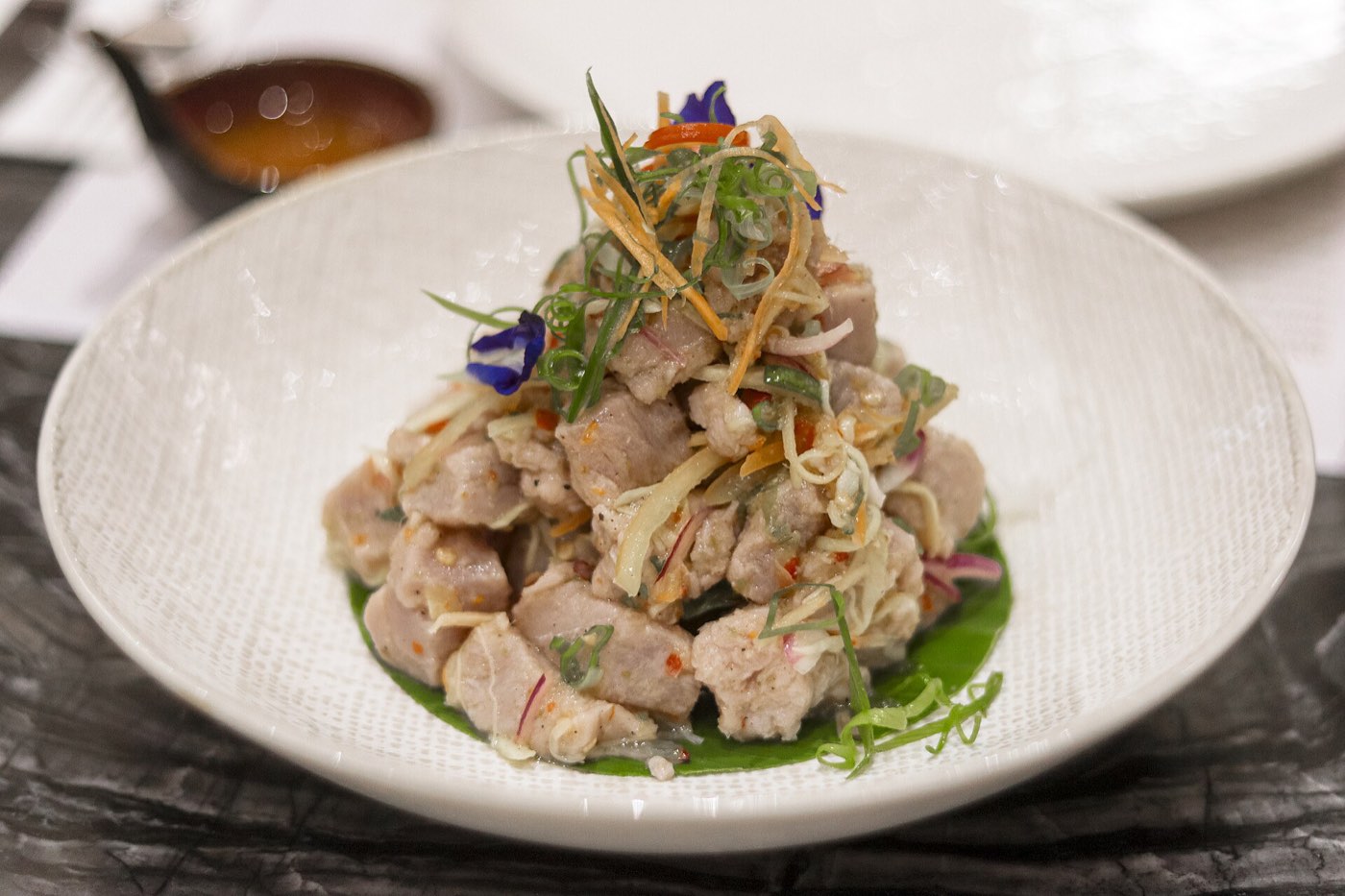
Order kinilaw first. KaLui's tuna kinilaw in coconut milk at ₱150–350 is the single most-praised plate in the city and the honest answer to "what is the best local dish here". Then chaolong at ₱60–120 a bowl, tamilok at ₱100–300 because you will regret not trying it, and one paluto seafood dinner at ₱300–500 a head. Everything else — crocodile sisig, lamayo, lato, halo-halo, hopia, cashews — is worth eating when it appears in front of you and not worth crossing town for.
Ten dishes, what they are, and what they cost
Prices checked August 2026 at ₱58 ≈ $1. Where a dish has one obvious best address in this city, it is named — most of them do.
| Dish | What it is | Where | Price | Verdict |
|---|---|---|---|---|
| Kinilaw ki-NEE-lau | Filipino ceviche: raw tuna cured in vinegar and calamansi with ginger, onion and chilli. KaLui's version adds coconut milk | KaLui is the benchmark; every seafood place does one | ₱150–350 | WORTH IT |
| Chaolong the refugee dish | Vietnamese beef-stew noodle soup, sweetened with banana ketchup, served with baguettes you tear and dunk | Bona's on Manalo Street at ₱85; a dozen-plus houses citywide | ₱60–120 | WORTH IT |
| Paluto seafood pa-LOO-toh, "have it cooked" | You buy the fish raw by the kilo and pay a stall a fee to cook it your way | Baywalk dampa stalls; stalls by the public market | Fish ₱150–400/kg · shrimp ~₱600/kg · cooking ₱100–150 a dish | WORTH IT |
| Tamilok a mollusc, not a worm | A shipworm — a long slimy bivalve dug out of rotting mangrove wood, served raw as kinilaw or deep-fried | Kinabuchs has the best variety; Cacaoyan Forest Park in Sabang at ₱100 | ₱100–300 | WORTH IT |
| Lamayo la-MA-yo | Semi-dried marinated danggit or rabbitfish, halfway between fresh fish and tuyo — fried for breakfast with garlic rice and egg | Breakfast menus and the markets; buy vacuum-packed as pasalubong | ₱100–200 as a meal | WORTH IT |
| Crocodile sisig farmed, not wild | Sizzling chopped crocodile from the same government farm tourists visit — firmer than chicken, somewhere between chicken and pork | Kinabuchs is the spot; croc adobo and steak also exist | ₱350–600 | DEPENDS |
| Lato sea grapes | Grape-like seaweed that pops between your teeth, dressed with salt and vinegar | Free or cheap in KaLui's sets, on Kinabuchs's menu, everywhere | ₱50–100 | WORTH IT |
| Halo-halo | Shaved ice with everything in it — beans, jelly, leche flan, ube, evaporated milk | Noki Nocs Savory House, Rizal Ave, about 10:00–20:30 — which also does chaolong | ₱80–150 | WORTH IT |
| Hopia | Flaky Chinese-origin pastry filled with mung bean or ube | Baker's Hill, Mitra Road — free entry, 07:00–20:00 | ₱50–120 a box | DEPENDS |
| Cashews (kasoy) | Palawan grows the bulk of the country's cashews and the town of Roxas brands itself the cashew capital | Isla Casoy de Palawan, the pasalubong shops on Rizal, the public market — haggle at the last one | ₱100–300 a pack | WORTH IT |
| Buko | Fresh young coconut, drunk from the shell; included in some set meals and tour lunches | Street carts, markets, every tour stop | ₱30–60 | DEPENDS |
Nothing on this table is a fixed price. Market and street prices move with the catch and with how obviously foreign you look — the restaurant prices do not, which is one reason this city gets so few gouging complaints.
Kinilaw is the answer, and it is not close
If you eat one plate in Puerto Princesa that you could not eat as well somewhere else, make it tuna kinilaw in coconut milk at KaLui.
Kinilaw is Filipino ceviche and it predates the Spanish: raw fish, usually yellowfin tuna here, cured in vinegar and calamansi with ginger, red onion and chilli. What makes the Palawan version worth the trip is gata — coconut milk — which rounds off the acid and turns a sharp dish into something closer to a chowder you eat cold. It runs ₱150–350 and it is the single most-praised plate in the entire review corpus for this city.
Second choice is a chaolong bowl, at ₱60–120 the cheapest good meal here and by a distance the most interesting story on any menu in Palawan. Third is a paluto dinner, where you buy the fish yourself for ₱150–400/kg and pay ₱100–150 to have it grilled — about ₱300–500 a head for the best-value seafood in the province.
Fourth is tamilok, which is the one people ask about and the one to order for the table rather than for yourself. It is a mollusc dug from mangrove wood, it is safe, it is ₱100–300 a plate, and one bite settles the question permanently.
Matching the canon to your table
The three edible souvenirs worth the luggage
Pasalubong here is genuinely good and genuinely cheaper away from the city-tour circuit. The shops the tours stop at charge visibly more than the public market for the same brittle.
Cashews are the real one. Palawan grows the bulk of the Philippines' cashews and the town of Roxas up the highway brands itself the cashew capital of the country, which for once is a claim that survives checking. Roasted packs and brittle run ₱100–300 at Isla Casoy de Palawan at Mercado de San Miguel, at the pasalubong rows on Rizal Avenue, and at the public market, where you should haggle.
Lamayo, vacuum-packed, is the sleeper: semi-dried marinated danggit that fries in three minutes and turns a hotel breakfast at home into a Palawan one. Hopia from Baker's Hill at ₱50–120 a box is the standard airport-gift answer, and Baker's Hill is free to enter, 07:00–20:00, and already on most city tour routes.
Puerto Princesa's single-use plastics ban has been enforced with fines since 16 April 2024 — bags, cups, straws, cutlery, stirrers and styrofoam, ₱1,000 rising to ₱5,000 and loss of business permit. Nobody will hand you a plastic bag. Bring a tote and a refillable bottle; the tap water is not drinkable but refill stations are everywhere.
The bookable ways to eat here
There is no guided food tour of this city — verified across GetYourGuide in August 2026. These are the nearest things that exist, and self-guided at about ₱600 a head beats all of them on value.
What to eat questions, answered
What is the most famous dish in Puerto Princesa?
Chaolong, the Vietnamese beef noodle soup left behind by refugees who arrived after 1975, at ₱60–120 a bowl. Tamilok is the more famous one internationally, but locals eat chaolong several times a week and there are said to be at least seven houses within a minute's ride of the airport.
What is tamilok and is it safe to eat?
It is a shipworm: a long, slimy bivalve mollusc dug from rotting mangrove wood, not an insect and not a worm. It is safe for normal stomachs, served raw as kinilaw or deep-fried, and costs ₱100–300 a plate. Kinabuchs does the widest range of preparations in the city.
What should I bring home from Palawan as food?
Cashews first — Palawan grows most of the country's crop and packs run ₱100–300, cheapest at the public market where haggling is expected. Then vacuum-packed lamayo, the semi-dried fish, and a ₱50–120 box of hopia from Baker's Hill, which opens 07:00–20:00 and charges nothing to enter.
Is the seafood in Puerto Princesa cheap?
Very. Fish at the market runs ₱150–400 a kilo, large shrimp about ₱600 a kilo, and a paluto stall will cook a dish for ₱100–150 — about ₱300–500 a head all in. A seafood platter at Badjao is ₱1,150 for the same food with a sunset attached.
What is lamayo?
Semi-dried, marinated danggit or rabbitfish — halfway between fresh fish and dried tuyo. It is fried and eaten at breakfast with garlic rice and a fried egg, costs ₱100–200 as a meal, and is sold vacuum-packed in every market for taking home.
Where is the best halo-halo in Puerto Princesa?
Noki Nocs Savory House on Rizal Avenue, open roughly 10:00–20:30, is the town's named spot and it also serves chaolong, which makes it an efficient one-stop lunch. Expect ₱80–150. Kinabuchs also claims the best in town and is only open from 16:00.
What is kinilaw?
Filipino ceviche: raw fish, usually tuna, cured in vinegar and calamansi with ginger, onion and chilli. Price runs ₱150–350. KaLui's version adds coconut milk and is the most-praised single plate in the city — worth building a dinner reservation around.